Beer Dictionary
Our beer dictionary is a collection of beer terms we use frequently on our site that we realized may need some further explanation. We try to define them in easy to read layman’s terms with a minimal use of acronyms. Enjoy!
ABV
Alcohol By Volume. A standard measure of how much alcohol is in a beer. The “average” beer contains about 4% to 5% ABV. You usually don’t find too much above 12% ABV. An average bottle of wine is around 12% to 14% ABV.
Ale
Any beer brewed with top-fermenting ale yeast. Ales are brewed and served at higher temperatures than lagers. They tend to be sweet and strong and can have higher alcohol contents than lagers.
Australian Longneck
A 25.4 ounce (750 ml) bottle of beer.
Beer Goggles
A side effect of the alcohol content in beer, especially when quantity is the main focus instead of quality. This leads to another focus on quantity over quality when choosing a partner.
Bomber
A 22 ounce (650 ml) bottle of beer.
Breakout Beer
The single beer you try that gets you over the rank domestic hump and into the realm of beers that actually have taste.
Conversion Beer
A beer that exemplifies a style but with a lighter intensity than the norm or extreme. Used as a stepping stone to a craft beer newbie into a style without scaring them off.
Dark Side
The place where Beer Jedis go after they’ve gotten lagered out. Here they find stouts and porters and other wonderful beers.
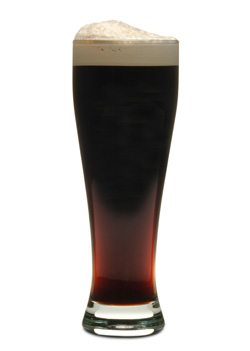
Dunkel
A dark beer, usually German. Dunkel is German for dark.
Growler
A 64 ounce (1890 ml or half gallon) glass jug of beer.
Hophead
Someone who really loves hoppy beers, such as IPAs.
Hops
The flower of the hop plant put into beer to provide bitterness, light aromas (flowery, fruity or citrus) and longer shelf life.
Hop Shock
The awkward taste in your mouth you’re convinced may be your taste buds burning as a result of drinking a beer that is too hoppy and bitter.
IBU
International Bitterness Units. A standard scale that measures the bitterness of beer. Most beers will be between 10 and 100 IBUs. The higher the number the more bitter the beer.
IPA
India Pale Ale. Usually a very hoppy beer that has a distinct bitterness to it.
Lager
Any beer brewed with bottom-fermenting lager yeast. Lagers are brewed and served at cooler temperatures than ales. They tend to be light and smooth and represent the vast majority of beers produced.
Lawn Mower Beer
Any beer that meets the criteria of cold, wet and refreshing that you guzzle quickly after you mow your lawn on a sunny 95+ degree day.
Longneck
A 12 ounce (355 ml) bottle of beer.
Malts
Grains (barley and wheat are the most common) that have been soaked in water and heated that provide flavor (dark and deep flavors like caramel, roasted and chocolate), body and alcohol to beer.
Nasty Out
What happens to a substandard beer when it warms up over 60 degrees. See also the marketing for American beers whose mountains turn blue when it’s cold enough to stunt the taste.
Pilsner
A type of pale lager that gets its name from the city of Plzen in the Czech Republic. Pilsner drinkers are notorious for thinking that pilsners are the best beers in the world because they’ve learned through TV commercials that Miller has true pilsner taste.
Radler
Mixture of half beer and half lemonade. May also be called an Alster, Shandy or Panache.
Session Beer
A beer with a low enough alcohol content that you can drink many of them in one sitting without becoming all sloppy drunk.
Skunk Beer
A beer with an aroma and taste that punches straight into your sinuses.
Spider
The last little bit of beer that settles in your bottle a few minutes after you’ve poured the entire contents into your glass.
Sweet Spot
For many, the goal of drinking beer is to find the sweet spot. This is the area between feeling shitty because you’re sober and feeling shitty because you’re sloppy drunk. Somewhere in between is the sweet spot where you feel warm, toasty, slightly buzzed and all your aches and pains go away.
Wort
Liquid extracted from the mashing process during the brewing of beer. Wort contains sugars that will be fermented by the brewing yeast to produce alcohol.
——-
Got a beer term you want us to define? Just drop us a line at: